
Getting into the world of work often feels like a big step for late students and new graduates. After years of getting familiar with college routines, jobs, and current evaluations, facing new realities that require professional, responsibility, and quick adjustment. No wonder a lot of people feel confused, not even confident when it comes to the first step.
One of the most striking things is the difference between the education world and the professional world. In class, we're usually more emphasis on theory, value, and deadline. In the working environment, concrete results, teamwork, and problem solving skills become a very important thing. No more "will do later," because every task gives direct influence to the work and team.
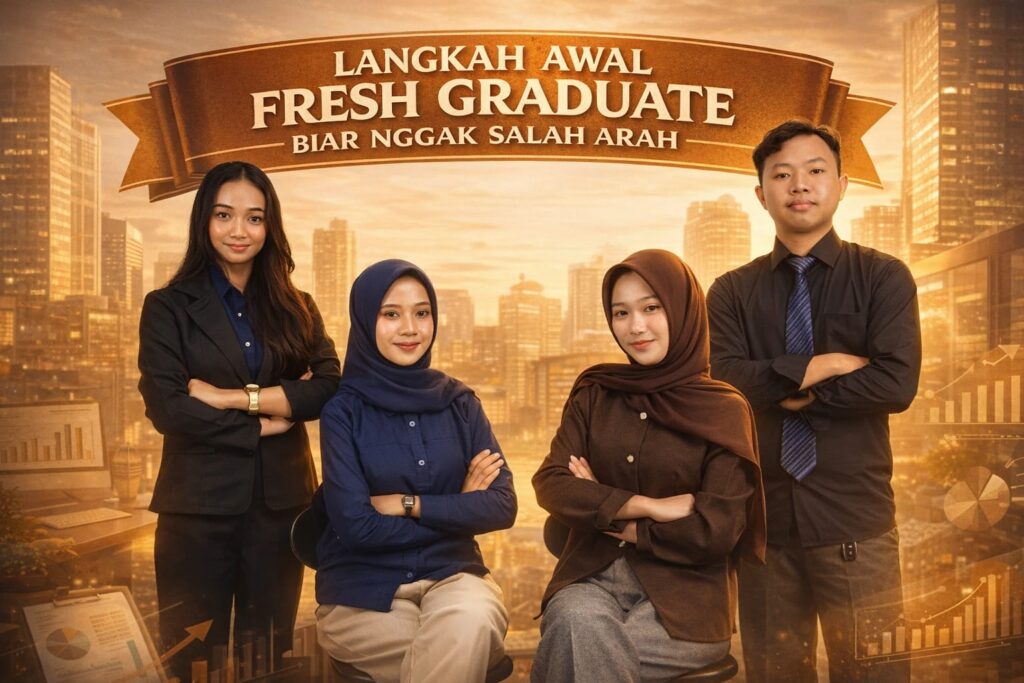
For new graduates, the challenges also vary. It starts with at least a work experience, the challenge of adapting to a professional atmosphere, to a very competitive recruit process. Today, many companies not only consider academic value, but also interpersonal experience and skills. This is why the preparation for the work world was crucial in the first place.
The readiness is not only related to technical skills, but also interpersonal skills. The technical abilities that fit the field of study are the important hard skills, but without the good soft skills, the development at work will be difficult to achieve. The ability to communicate, team collaboration, time management, and professional behavior are key elements of individual success in the workforce. For example, technically superior individuals, but difficult to collaborate, will have difficulty adapting to the team.
Besides, experience also has significant roles. Intern experience, involvement in organizations, or projects during college can provide great benefits. The event shows that you not only understand the theory, but can also implement it in real condition. In fact, some companies prefer applicants who have relevant experiences even though their value is not special.
The recruit stage is also a very crucial phase. From composing an interesting CV, designing letters of introduction, to handling interviews. At this stage, you should be able to offer yourself professionally and confidently. The ability to decipher experience, excellence, and the way to answer questions with confidence becomes an important factor to succeed in selection.
In order to be ready for the work world, here are some practical tips that you can immediately apply:
- Build a clear and relevant CV
- Display interns, organisations, or projects that match the proposed position
- Practice interview skills
- Try to practice answering general questions like "tell me about yourself" or "your excess and your flaws."
- More experience since college.
- Intern, freelance, or a small project to add portfolio.
- Sharpen soft skills consistently
- From communication, teamwork, to time management in daily activities.
- Expand network (networking)
- Teachers, alumni, or professionals can open a job opportunity.
- Update job openings regularly
- Use career platforms and social media to find suitable opportunities.
Finally, entering the professional world isn't about who's the smartest, it's about who's ready. With good preparation, optimistic attitude, and the desire to continue to learn, every student and alumni have a great opportunity to succeed.
"Chance doesn't come twice, but readiness can wake you up every day."


